
A personalized book about separation anxiety, written for your child
A hand tightens on your sleeve at the door. It is time to go, and the goodbye feels big for both of you.
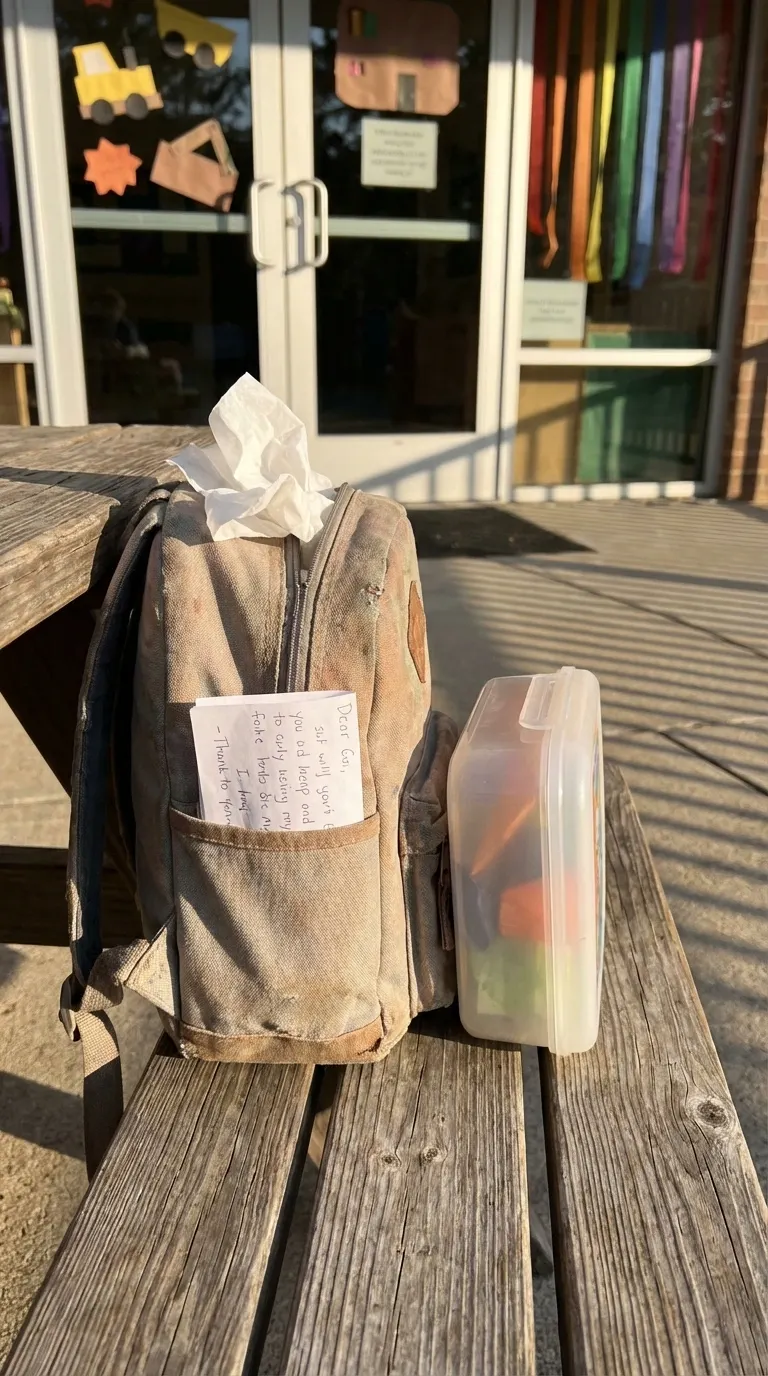
Moments you might recognize
- At preschool, their fingers tighten around your coat. The teacher is ready to help. You know you need to leave, and the moment still feels hard.
- You are getting ready to go out. Your child asks when you will return, then asks again while their familiar caregiver puts a game on the table.
- At a new activity, your child wants you to stay near the edge. You are trying to work out whether they want time to watch or help taking the first step.
Possible contexts and ideas to explore, in the free parent guide: Why does my child cry every time I leave?
When preschool drop-off takes a long time
The doorway gives you only one part of the picture. Your child’s experience before arrival and after you leave matters too.
Ask the teacher how the next activity begins and what they can offer at handover. Agree on a plan you can explain to your child and revisit if distress persists.
When leaving with a familiar caregiver is difficult
Knowing someone does not make every goodbye easy. The time of day, the activity and recent changes may all be relevant.
Explain who will be there and what they might do together. Keep the return promise realistic, and leave space to hear how the time apart actually went.
A story to revisit before the next goodbye
A fictional separation lets you notice what a hero does while someone is away and what remains available to them.
You might ask which part of the story your child remembers. Use the included guide to explore that book’s action, without requiring your child to repeat the hero’s response at the door.
Ideas to explore at home
- Make the next part concrete
- Choose a familiar goodbye
- Coordinate with the caregiver
- Practice a manageable separation
Find the context for each possibility in the guide: Why does my child cry every time I leave?
An Ownway Stories adventure to read together
Ownway Stories creates an adventure around separation anxiety, with a character you choose carrying your child’s name. In a familiar paper-cut world, the hero discovers a possible next action with support available. The guide inside connects that particular story to ideas you can explore together. You choose what fits your family.
$32.99
A 32-page printed picture book, for ages 3–6 · You’ll see the cover and the first scenes before you decide.
Questions parents ask
How can a story help with drop-off tears?
An Ownway story can explore an absence and a reunion through a fictional adventure. A hero bearing your child’s name finds a way to continue with support. The guide offers a connection to your own goodbyes, without promising that tears will disappear.
Are the story and the illustrations created for my child?
Yes. The story and illustrations are generated around the name, character, challenge, dedication, and short detail you choose. The system does not select a finished story from a fixed library.
What age is this for?
Ownway Stories are written for children ages 3 to 6 — the age when big feelings arrive faster than the words to describe them.
How long does delivery take?
Each book is printed on demand, so timing depends on production and the carrier. We currently ship within the US only and email available tracking details after dispatch.
Parents also work on
Facing something else? See all 16 challenges · Prefer to read first? Browse the free parent guides.