
Parent guides · Separation anxiety
Parent guide · Ages 3–6Why does my child cry every time I leave?
Because separation anxiety at 3–6 comes from a safety system built around being near you, while imagination outruns any sense of time. Your child can vividly picture losing you, but can’t feel how short “until pickup” is. A short, identical goodbye ritual, never sneaking away, and time anchored in events build the trust loop.
By Ownway Stories · Published July 17, 2026 · Updated August 17, 2026 · About these guides
Behind separation anxiety: what’s happening between 3 and 6
A young child’s safety system is built around proximity to you — it’s ancient, useful wiring, not clinginess gone wrong. At 3–6, imagination surges ahead of time-sense: a child can vividly picture losing you, but can’t yet feel how short “until pickup” really is. Big pictures plus no clock equals tears at drop-off.
It often spikes after changes — a move, a new sibling, a new classroom, an illness. The clinging is the system recalibrating: “the world moved; is my anchor still holding?”
What helps at home with separation anxiety
Build a goodbye ritual and never skip it. Two kisses, one squeeze, “see you after snack time,” go. Short, identical, every time. Rituals are how kids hold time — the goodbye becomes the first half of a loop that pickup closes.
Never sneak away. Slipping out spares one cry today and teaches the radar to never power down — if you can vanish anytime, vigilance is the only safe setting. A brave goodbye, even with tears, builds more trust than a painless escape.
Anchor time in events, not minutes. “After lunch, after the playground, then I’m there” — kids can feel events. A paper chain or two snacks in the bag can make the wait visible and countable.
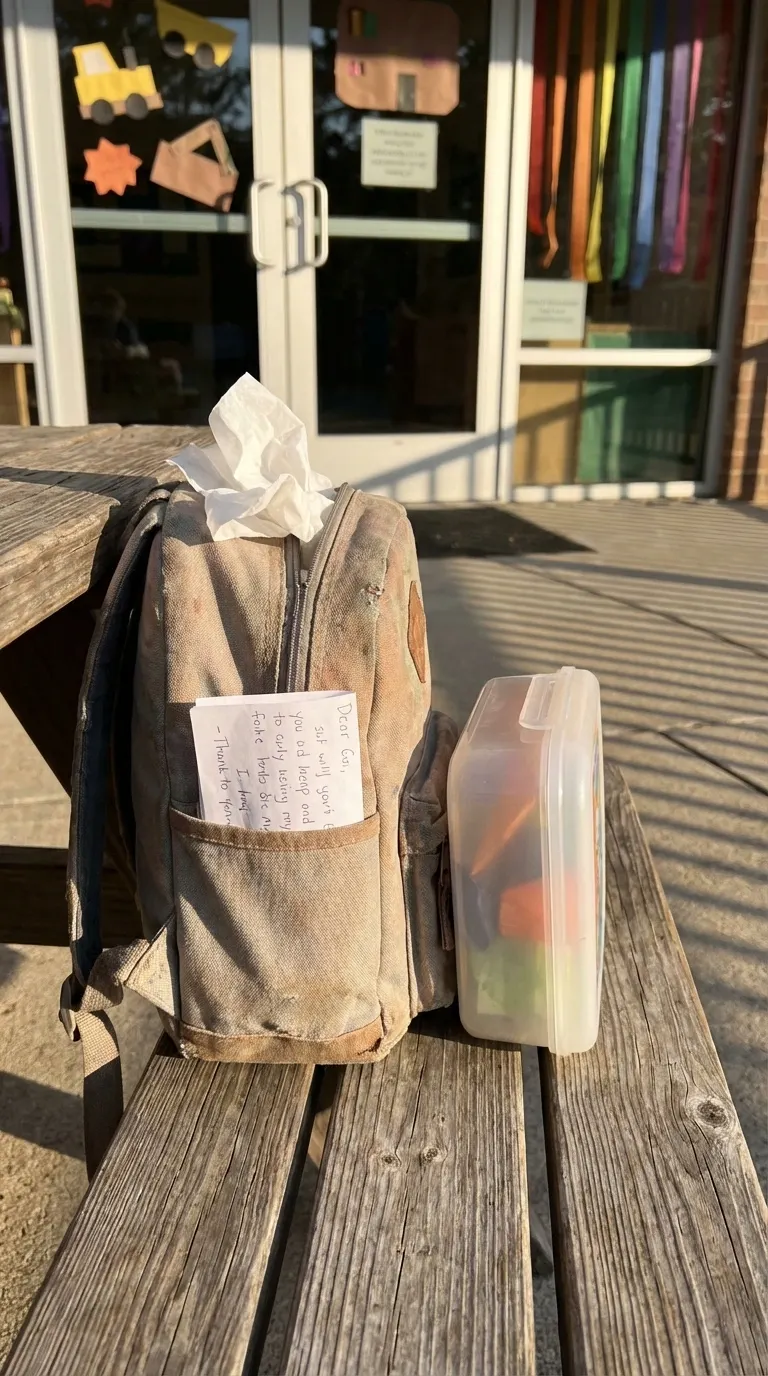
Send a piece of home along. A small token in the pocket — a button, a tiny stone, a photo — gives the attachment something to hold between hugs. Transitional objects are load-bearing equipment at this age.
Mind your own face. Kids read the goodbye on the parent. A long, sad, lingering exit confirms there’s something to fear; a warm, confident one says “this is safe.” If pickup is reliably on time, courage compounds fast.
When does separation anxiety stop being normal?
Waves of it are textbook through the preschool years, especially at transitions. Most kids settle within minutes of the parent leaving — ask the teacher what happens after you’re gone, because that’s the number that matters. Distress that lasts hours, disrupts sleep and eating, or intensifies for months deserves a conversation with your pediatrician.
Does practicing short separations help?
Yes — courage at this age is built in reps. Short, predictable separations with on-time returns (“I’m getting bread, back before the song ends”) teach the nervous system the loop: parents leave AND come back. Start small and let the wins stack.
When you want the story to carry part of it
Stories are how this age rehearses life, and they work best when the hero is your child. Ownway writes a printed picture book from scratch around their name and this exact challenge, with a short guide for you inside: a personalized book about separation anxiety. You’ll see the cover and the first scenes with your child’s name before you decide.
About these guides
This guide is general information written for parents, not medical, psychological or educational advice, and it does not know your child. If a behavior is intense, persistent or new, or if anything here worries you, talk to your pediatrician. Who is behind these guides.