
Parent guides · Social difficulties
Parent guide · Ages 3–6Why does my child struggle to make friends?
Because joining a game of 5 year olds is genuinely advanced diplomacy, done in seconds with no script. Read the group, find the opening, pitch yourself, survive rejection. Some kids need the script taught. Rehearsed opening lines, playdates on home turf, and respect for the warm-up curve build the skill fastest.
By Ownway Stories · Published July 17, 2026 · Updated August 17, 2026 · About these guides
Behind social difficulties: what’s happening between 3 and 6
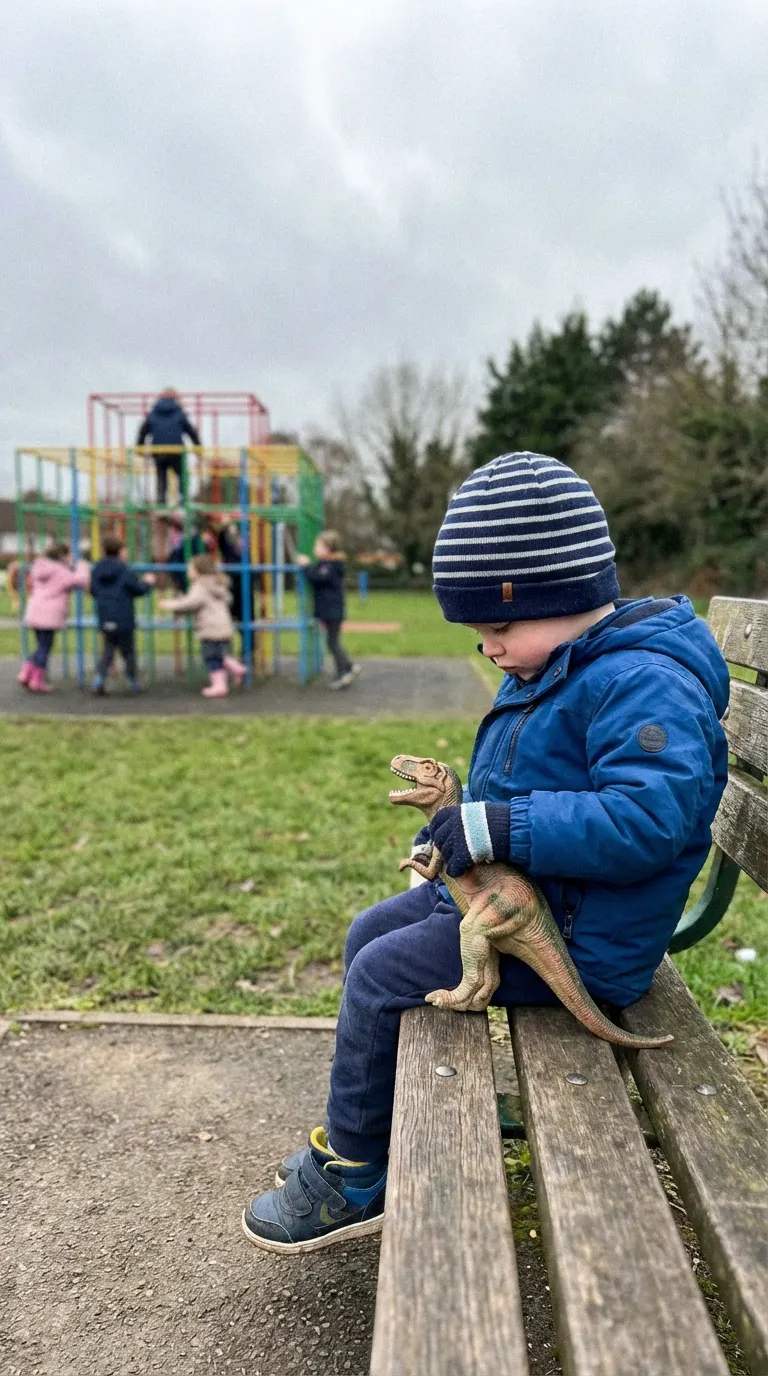
Joining a game of 5-year-olds is genuinely advanced diplomacy: read the group, find the opening, pitch yourself, handle rejection — in four seconds, with no script. Some kids master it by accident; many watch from the edge, wanting in and not knowing where the door is. Hovering isn’t disinterest — it’s scouting without a map.
Temperament sets different clocks here. Slow-to-warm children observe long before they enter — that’s a style, not a deficit. The goal isn’t to manufacture an extrovert; it’s to make sure wanting a friend and knowing how to start one live in the same child.
What helps at home with social difficulties
Script the opening line. The hardest three seconds is the entry. Rehearse two openers at home — “Can I build too?” “I’ll be the dog!” — until they’re automatic. Most kids don’t lack courage; they lack the first sentence.
Host on home turf. One playmate, your house, familiar toys, 90 minutes max. Social skills grow fastest where everything else is already safe — and the host role comes with built-in lines (“want to see my room?”).
Practice through play. Turn-taking, losing gracefully, trading roles — board games and pretend play with YOU are the flight simulator. It’s much easier to handle losing at preschool after losing to dad eleven cozy times.
Debrief gently, mine the wins. After the playground: “What was the best part? What was tricky?” Pull one win out loud (“you asked for a turn — that worked!”). The skill compounds when they can see it working.
Respect the warm-up curve. Arrive early to parties (entering an empty room is easier than breaching a full one), let them watch before they wade. Pushing a slow-to-warm child in fast usually buys a retreat, not a leap.
My child plays alone at preschool — should I worry?
First separate “alone and content” from “alone and longing” — solo play is healthy and common into the school years, and parallel play (alongside, not with) is still normal at 3–4. Ask the teacher what they see. If your child wants in but consistently can’t manage it, that’s a skills gap the moves above genuinely close. Discuss persistent, across-the-board struggles with your pediatrician.
Should I force my shy child to say hello and join groups?
Forcing the performance (“say hi!” in front of everyone) usually deepens the freeze. What works: prepare lines in advance, give warm-up time, and let them deliver when ready. Confidence comes from successful reps, and reps only count when the child takes the step themselves.
When you want the story to carry part of it
Stories are how this age rehearses life, and they work best when the hero is your child. Ownway writes a printed picture book from scratch around their name and this exact challenge, with a short guide for you inside: a personalized book about social difficulties. You’ll see the cover and the first scenes with your child’s name before you decide.
About these guides
This guide is general information written for parents, not medical, psychological or educational advice, and it does not know your child. If a behavior is intense, persistent or new, or if anything here worries you, talk to your pediatrician. Who is behind these guides.