
Parent guides · Sensory sensitivity
Parent guide · Ages 3–6Why do tags, seams and loud noises upset my child so much?
Because sensory thresholds genuinely differ between children, and some kids simply run with the volume up. Tags feel like sandpaper, the blender is an alarm, the party is forty inputs at once. A 3–6 year old can’t yet say “overload,” so they perform it. Believing them, previewing inputs, and building exits works.
By Ownway Stories · Published July 17, 2026 · Updated August 17, 2026 · About these guides
Behind sensory sensitivity: what’s happening between 3 and 6
Some children simply run with the volume knobs turned up: tags feel like sandpaper, the blender is an alarm, the birthday party is forty inputs at once. That’s not drama — sensory thresholds genuinely differ between children, and a 3–6 year old can’t yet name “overload,” so they perform it: hands on ears, tears over socks, flight from the noisy room.
The meltdown over the “wrong” sweater is usually the LAST input, not the first. The nervous system had been filling up all morning; the seam was just the drop that breached the dam.
What helps at home with sensory sensitivity
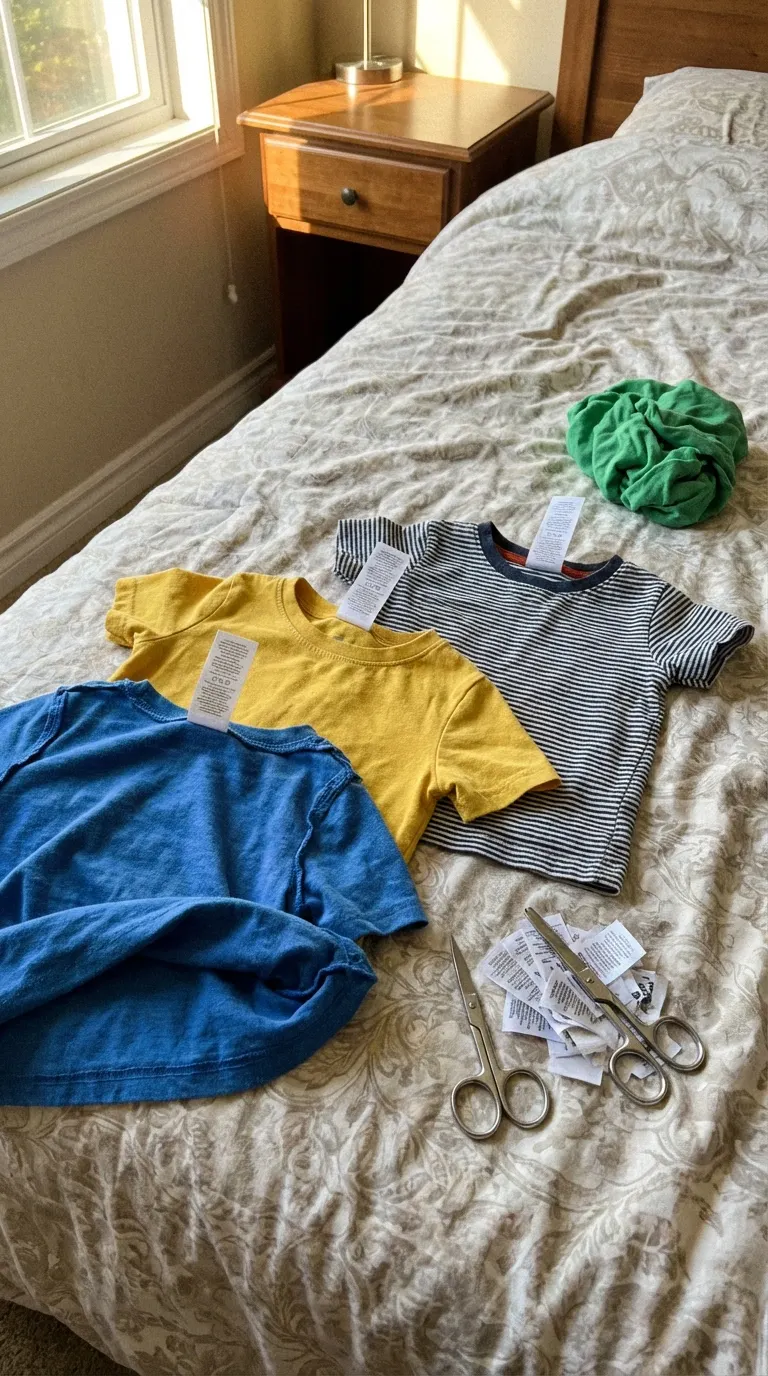
Believe the sock. If they say it hurts, it hurts — on their skin, it does. Fighting the perception teaches them to distrust themselves. Cut the tag, buy the soft brand twice, and spend the saved battles where they matter.
Preview the loud world. “It’ll be noisy, there will be lots of kids, we can step outside whenever you need.” A previewed input lands softer than an ambush — surprise is its own sensory load.
Build an exit before you need it. Agree on a sign and a quiet spot at any gathering. Knowing escape exists often means it’s barely used — it’s the locked door that makes the room feel small.
Schedule decompression. After preschool or a party, a low-input pocket — dim room, quiet play, no questions. Many “4 p.m. meltdowns” are simply the bill arriving for a loud day; pre-paying it shrinks it.
Name states, build the dial. “Your ears are full.” “Your battery is low.” Words give them a dashboard, and a child who can SAY “too loud!” at 5 can leave the room calmly at 7 instead of erupting.
Is my child just sensitive, or is it something more?
Plenty of kids are simply wired more open to input and do fine with the adjustments above — sensitivity is a trait, not a diagnosis. If sensitivities significantly limit daily life (food groups, clothing, school participation) or come with other developmental differences, ask your pediatrician about an occupational therapy evaluation; it’s a common, practical next step.
Should I push my child to “get used to” loud places?
Flooding tends to backfire at this age — drowning teaches fear of water, not swimming. What builds tolerance: small chosen doses with an exit available, previewed and debriefed. Stretch the comfort zone; don’t detonate it.
When you want the story to carry part of it
Stories are how this age rehearses life, and they work best when the hero is your child. Ownway writes a printed picture book from scratch around their name and this exact challenge, with a short guide for you inside: a personalized book about sensory sensitivity. You’ll see the cover and the first scenes with your child’s name before you decide.
About these guides
This guide is general information written for parents, not medical, psychological or educational advice, and it does not know your child. If a behavior is intense, persistent or new, or if anything here worries you, talk to your pediatrician. Who is behind these guides.