
Parent guides · Attention seeking
Parent guide · Ages 3–6Why does my child need attention every single second?
Because at 3–6 your attention is oxygen for the nervous system, and the strategies for getting it are still clumsy. If quiet asking earns a distracted “mm-hmm” while chaos earns full eye contact, the child has done the math. Filling the tank first, and funding the polite channel fast, changes the behavior.
By Ownway Stories · Published July 17, 2026 · Updated August 17, 2026 · About these guides
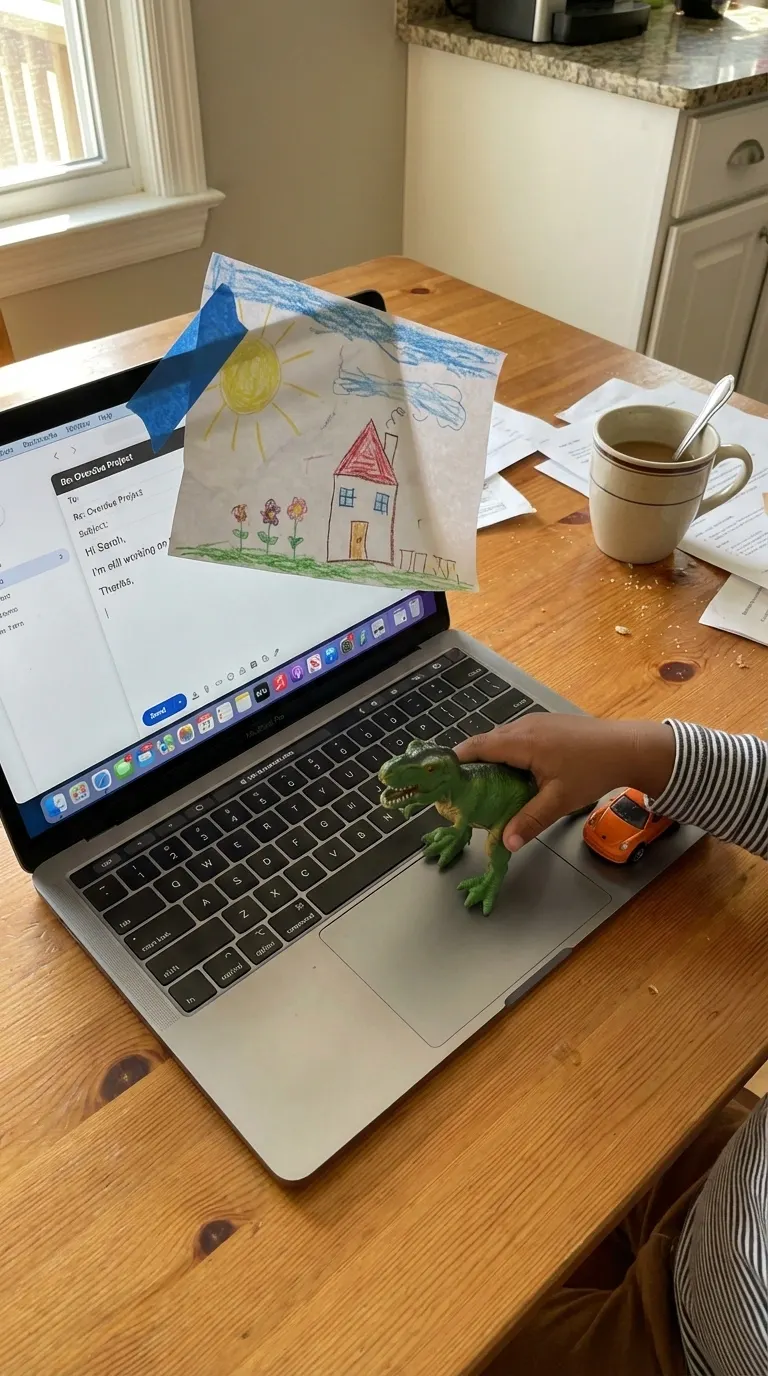
Behind attention seeking: what’s happening between 3 and 6
For a young child, your attention is not a treat — it’s oxygen for the nervous system. “Look at me!” fifty times an hour is a child confirming, over and over, that they exist in your eyes. The need is legitimate; only the strategies get clumsy.
And clumsy strategies are rational: if quiet asking earns a distracted “mm-hmm” while knocking over the tower earns full eye contact and a speech, the child has run the numbers. Negative attention is still attention — it pays faster.
What helps at home with attention seeking
Pay the toll before the bridge. Ten minutes of full attention — their game, phone elsewhere, before the day gets busy — quiets more “look at me!” than two hours of half-listening ever will. A filled tank stops needing constant top-ups.
Feed the good channel fast. Respond quickly and warmly when attention is sought politely; go flat and brief when it’s sought through chaos. Same need, two channels — fund the one you want to grow.
Narrate what you notice. “You built the whole tower while I cooked” — noticing without being asked is the purest form of the drug. Kids who feel seen unprompted perform less to force it.
Teach the waiting move. A hand on your arm instead of shouting; “when I finish this sentence, you’re next.” Then honor it within seconds at first — the move only sticks if it reliably works.
Name the pattern kindly, later. Not mid-circus. At calm: “I love showing you things. When you yell, my ears close — tap my arm and they open.” You’re handing over the user manual to your attention.
Why does my child act out the second I’m on the phone?
Phones are the visible proof your attention went elsewhere — and a child can’t see who you’re talking to or for how long. A pre-announcement (“two minutes, then you show me your trick”) plus follow-through tames it better than mid-call shushing, which is, after all, attention.
Should I just ignore attention-seeking behavior?
Ignore the strategy, never the need. Pure ignoring escalates — the child just raises the bid. The working combo: starve the chaotic channel (flat, brief, boring) while making the polite channel fast and generous. The behavior follows the payout table.
When you want the story to carry part of it
Stories are how this age rehearses life, and they work best when the hero is your child. Ownway writes a printed picture book from scratch around their name and this exact challenge, with a short guide for you inside: a personalized book about attention seeking. You’ll see the cover and the first scenes with your child’s name before you decide.
About these guides
This guide is general information written for parents, not medical, psychological or educational advice, and it does not know your child. If a behavior is intense, persistent or new, or if anything here worries you, talk to your pediatrician. Who is behind these guides.